



Gravity Bongs in 2027: How They Work & How They Differ From Classic Glass
Gravity bongs are one of the most distinctive water-pipe designs in modern glass. Unlike traditional beaker or straight-tube bongs, a gravity bong uses water displacement and changing air pressure across multiple chambers to operate.
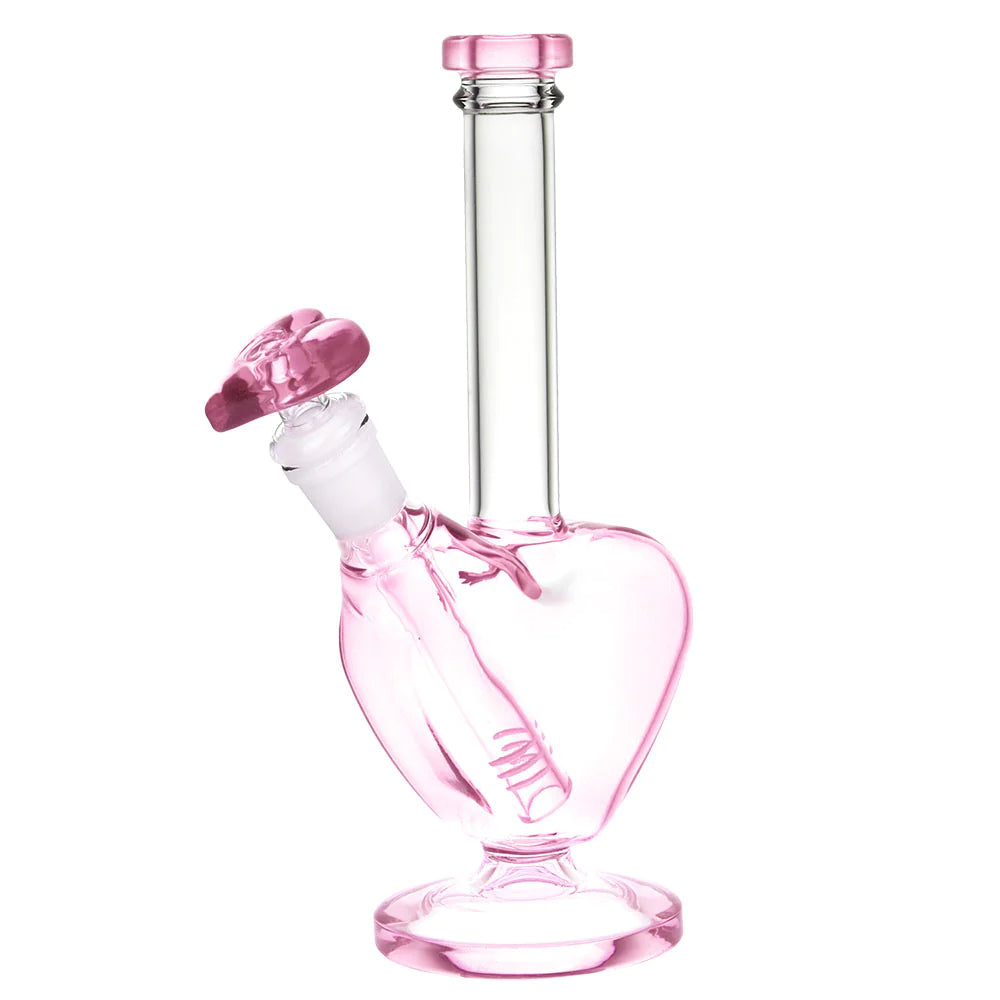
Modern gravity pipes have evolved far beyond simple early designs. Today, the category includes hand-blown borosilicate glass, removable inner chambers, modular components, sculptural shapes, and styles inspired by everything from laboratory glassware to vintage home décor.
What Is a Gravity Bong?
A gravity bong is a type of water pipe built around two interacting sections or chambers.
Instead of relying entirely on airflow through a stationary chamber and downstem, gravity-style designs use movement between the inner and outer sections to change the air volume inside the piece.
That changing volume creates a pressure difference.
This pressure-and-displacement mechanism is the main feature that separates a gravity bong from a conventional glass bong.
How Does a Gravity Bong Work?
At a high level, gravity bongs operate through water displacement and changing air pressure.
As one chamber changes position relative to another, the available air volume inside the system changes. This creates a pressure difference that moves air through the glass assembly.
The important distinction is that the chamber itself is part of the mechanism.
A traditional bong generally remains stationary, while a gravity bong incorporates chamber movement into its design.
Gravity Bong vs. Regular Bong: What’s the Difference?
A classic glass bong usually consists of:
- A fixed water chamber
- A bowl connection
- A downstem or integrated diffuser
- A mouthpiece
- Optional percolators
- Optional ice catchers
A modern gravity bong commonly uses:
- An outer water reservoir
- A separate inner chamber or glass core
- A displacement-based airflow system
- Removable glass components
- A bowl or slide connection
- A more modular construction
In simple terms:
A traditional bong moves air through a stationary water chamber. A gravity bong uses changing chamber volume and water displacement as part of its airflow system.
Gravity Bong vs. Beaker Bong
The beaker bong is one of the most traditional glass water-pipe designs.
Its wide flask-shaped base stays stationary, with airflow typically traveling through a downstem into the water chamber.
A gravity bong works differently because its structure generally includes two interacting sections.
There is also a major visual difference.
Beaker bongs usually retain their recognizable laboratory-inspired silhouette. Modern gravity pipes can take much more experimental forms, ranging from transparent technical glass to highly decorative tabletop objects.
Gravity Bong vs. Percolator Bong
Gravity and percolation describe two different design concepts.
A percolator bong focuses on diffusion. A percolator divides airflow through multiple openings inside a water chamber.
A gravity bong is defined primarily by its changing chamber volume and displacement system.
Some glass designs can incorporate multiple filtration concepts, but the terms are not interchangeable.
Why Do Modern Gravity Bongs Look So Different?
Design has become a major part of the modern gravity-pipe category.
Traditional bongs tend to use familiar forms such as:
- Beakers
- Straight tubes
- Bubble bases
- Recyclers
Gravity pipes allow manufacturers more freedom because their construction naturally involves multiple interacting pieces.
Modern designs can resemble:
- Vintage glassware
- Art Deco objects
- Memphis-style home accessories
- Laboratory equipment
- Sculptural glass
- Modern tabletop décor
This has turned the gravity-pipe category into one of the more visually experimental areas of contemporary glass design.
Gravity Bongs vs. Traditional Glass: Quick Comparison
| Feature | Gravity Bong | Traditional Glass Bong |
| Main mechanism | Water displacement & pressure change | Fixed airflow through water |
| Chamber | Usually multi-part | Usually stationary |
| Downstem | Not always required | Very common |
| Construction | Often modular | Usually more integrated |
| Appearance | Highly varied | Beaker, straight tube, etc. |
| Inner components | Often removable | Usually fixed or semi-fixed |
| Design possibilities | Highly sculptural | More traditional shapes |
Why Have Gravity Bongs Become More Design-Focused?
Glass design has changed considerably in recent years.
Manufacturers increasingly treat functional glassware as a design object rather than simply a utility product.
Gravity pipes are especially well-suited to this approach because their multi-component construction offers more opportunities to experiment with shape and proportion.
This has resulted in pieces inspired by architecture, vintage housewares, modern furniture, industrial design, and decorative glass.
Are Gravity Bongs the Same as Water Pipes?
Gravity bongs are a type of water pipe, but not every water pipe is a gravity bong.
The term water pipe describes a broad category of glass designs that incorporate water into their construction.
A gravity bong is a more specific design defined by its displacement-based chamber system.
Frequently Asked Questions About Gravity Bongs
What is a gravity bong?
A gravity bong is a water-pipe design that uses changing chamber volume, water displacement, and pressure differences as part of its airflow mechanism.
How is a gravity bong different from a regular bong?
A regular bong typically uses a stationary chamber with a fixed airflow path. A gravity bong incorporates movement between chambers and changing internal air volume.
How does a gravity bong work?
At a general mechanical level, one section of the piece changes position relative to the water reservoir. This changes the air volume inside the system, creating a pressure difference.
Are gravity bongs made from glass?
Many modern gravity bongs are made from borosilicate glass, although materials and construction vary by manufacturer.
Do gravity bongs have downstems?
Not necessarily. Some gravity designs use internal chamber systems that differ from the conventional downstem configuration found in many beaker and straight-tube bongs.
What is the difference between a gravity bong and a percolator bong?
A gravity bong is defined by its displacement mechanism. A percolator bong is defined by an internal diffuser that divides airflow through multiple openings.
What is the difference between a gravity bong and a beaker bong?
A beaker bong uses a stationary flask-shaped water chamber. A gravity bong typically uses interacting inner and outer chambers that create changes in air pressure.
Why do modern gravity bongs look like home décor?
Modern glass designers increasingly borrow shapes and textures from architecture, vintage housewares, Art Deco, Memphis design, and contemporary product design.
What type of glass is commonly used for gravity bongs?
Borosilicate glass is common because of its durability, resistance to temperature changes, and suitability for detailed glassworking.
Are all gravity bongs the same size?
No. Gravity pipes are produced in many different dimensions and proportions, from compact tabletop designs to larger glass pieces.
Why do some gravity pipes have removable inner chambers?
The internal chamber is often part of the displacement mechanism. Multi-piece construction also reflects the modular nature of many modern gravity designs.
Are gravity bongs considered traditional bongs?
They belong to the broader water-pipe category, but their mechanism and architecture differ significantly from classic beaker and straight-tube bongs.
Final Thoughts
Gravity bongs occupy a unique position in modern glass design.
Traditional bongs generally rely on a fixed water chamber, downstem, and stationary airflow path. Gravity pipes introduce another mechanical concept: changing chamber volume combined with water displacement and air pressure.
That difference has also opened the door to much greater design experimentation.
From transparent technical glass to sculptural pieces influenced by Art Deco, Memphis design, and vintage housewares, the gravity bong has evolved from a simple concept into a distinctive category of modern glassware.




Leave a comment (all fields required)